
BEST - Bentley Eco School Team The John Bentley School in Calne has an Eco Group called BEST, we are a group of students who think about the environment and look at ways we can be more environmentally friendly and promote sustainability within our school: We meet every Wednesday Lunchtime at "The Drop In" upstairs in Science.
Tuesday, 26 June 2012


Green Calne Day
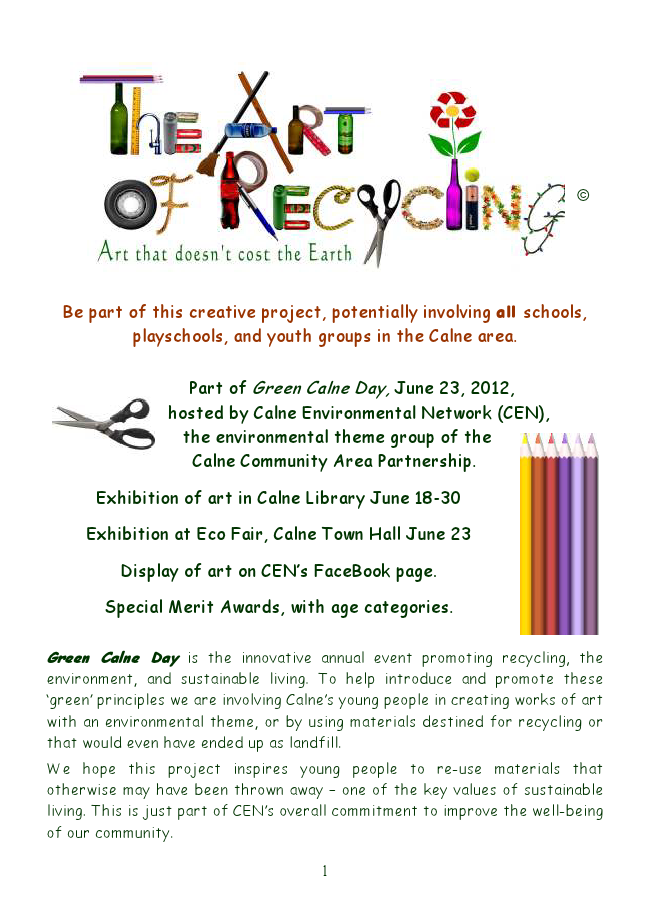
The Art of Recycling

This art work was produced by some of the students from school. The individual letters having been made using a process called "locker hooking". Each square has been made by using a variety of recycled materials from crisp packets, (crisps eaten and packets washed!), plastic bags and waste material.
Currently displayed in Calne Library:
Plant Sale
A successful day in which the Eco group raised £42 selling plants. This has enabled us to purchase more compost, gardening gloves and organic, child friendly slug slime......to stop them eating our plants!


Friday, 1 June 2012
Greenhouse

The School now has a greenhouse, which is already full of seeds and young plants. The tomato plants that were planted by the year 11's a couple of months ago are now about 1ft tall and looking really healthy. We have cucumber, butternut squash, corgettes, peppers, chilli's, gourds, pumpkins, garlic, onion, lots of different herbs which will be used by food tech, and a variety of flowers that are being grown for the Calne in Bloom, Queens Diamond Jubilee flower competion that was won by
Sophie King 9BB

Wednesday, 23 May 2012
pictures of the birds
14th May 2012


18th May 2012


23rd May 2012

Today is the day the Olympic Torch came through Calne......... We came in on Monday and the hardware to the computer has stopped working so I'm unable to get anymore images of the babies. There are sadly only 5 left but they are growing up fast.

28th May 2012
Monday morning and the baby birds have flown the nest, 8 eggs were laid, 7 hatched, 2 babies died in the first few days and only 4 flew the nest.
Day 1 Box put up:
Day 2 Blue tits start building their nest
Day 21 Eggs are laid
Day 31 Incubation has started
Day 42 Eggs have hatched
Day 62 Birds have flown
Tuesday, 24 April 2012
Nest box with camera
Diary of our JBS Blue Tits
Monday 8th May: Great excitement this morning as the eggs have hatched and mum is busy feeding her brood.


Friday 4th May: The Web cam is now streaming, just few little tweaks and it should be available for everyone to watch, until then here is a picture of Mum sat from the live feed:

Monday 30th April: Very windy, wet weather all weekend, came in this morning and Mum is sat on the eggs still.
Friday 27th April: Mum was sitting on the eggs when I got into school and Ms Bates had seen her the night before, she spent the day on the eggs: I think this is the start of mum incubating her eggs.
Thursday 26th April: Again didn't see any birds.
Wednesday 25th April: So excited this morning as Ms Bates had seen Mummy Blue Tit in the next the previous evening. The Eco Group checked the web cam at lunchtime and again no birds, I am worried about the eggs:
 |
| Blue Tits nest is made of moss and lined with soft material such as hair and feathers. They start egg laying between late March and early June and produce one brood. The clutch can be between 7 and 16 eggs that are white with speckles. |
 |
| Blue Tits like a small next box with a 25mm hole (or larger) and it needs to be placed about 1-5meters above ground. Position the box facing East with a clear flight path to entrance. The reason for facing East is that the box warms up early when the sun rises and is protected from the heat of the midday sun. |
Tuesday 17th April: The wires have been fixed and WOW! It looks as if 8 eggs have been laid.
Half Term: It would appear that the Blue Tits have built a nest, unfortunately we did not have the camera connected to the website so we missed the nest being build. We then noticed that we had lost the image from inside the box and upon further investigation it looks like the camera wire has been chewed through by squirrels.
Day One: 28th March 2012: The nest box and feeder were put up on the large Oak tree so the birds could get used to it..... I didn't expect Blue Tits to start nesting the next day.
Mr Thornton and I fixed the camera into the box with the blue tit still in it.
INFORMATION:
Most birds only start to incubate their
eggs when the whole clutch has been laid. This is to ensure that all chicks will
hatch at the same time, otherwise the bird would have to abandon brooding
unhatched eggs to forage to feed those that she has. Incubation is between 13-14 days. When the female has laid its clutch she will start to sit on the eggs, they start to incubate when they reach the temperature of 37°C . The female will also turn the egg so they are warmed evenly.
The blue tit's feed their young almost exclusively on insect larvae, which are most abundant in early summer. Consequently, they generally put "all their eggs in one basket" by laying a single, large clutch of eggs.
Nestlings fledge after 18-19 days
Key Words:
Nestling - A bird too young to leave its nest:
Clutch - All the eggs that have been laid at one time.
Fledge - The stage when a bird has feathers and is strong enough to fly.
Incubate- To provide heat
Brood - Number of young hatched at the same time.
Thursday, 19 April 2012


Subscribe to:
Posts (Atom)